
Macular Degeneration: Everything You Need to Know
What is Macular Degeneration?
Macular degeneration, often referred to as Age-Related Macular Degeneration (AMD), is a common eye condition that affects the macula, the central part of the retina responsible for detailed vision. The macula allows you to read, recognise faces, drive and see fine detail clearly.
AMD typically develops gradually and is more common in people over the age of 50, although it can occasionally affect younger individuals. While macular degeneration does not usually cause complete blindness, it can significantly affect central vision and everyday activities.
At PW Optics, we believe that understanding the signs and symptoms of AMD can help with early detection and management.
Types of Macular Degeneration
There are two main types of AMD:
Dry Macular Degeneration
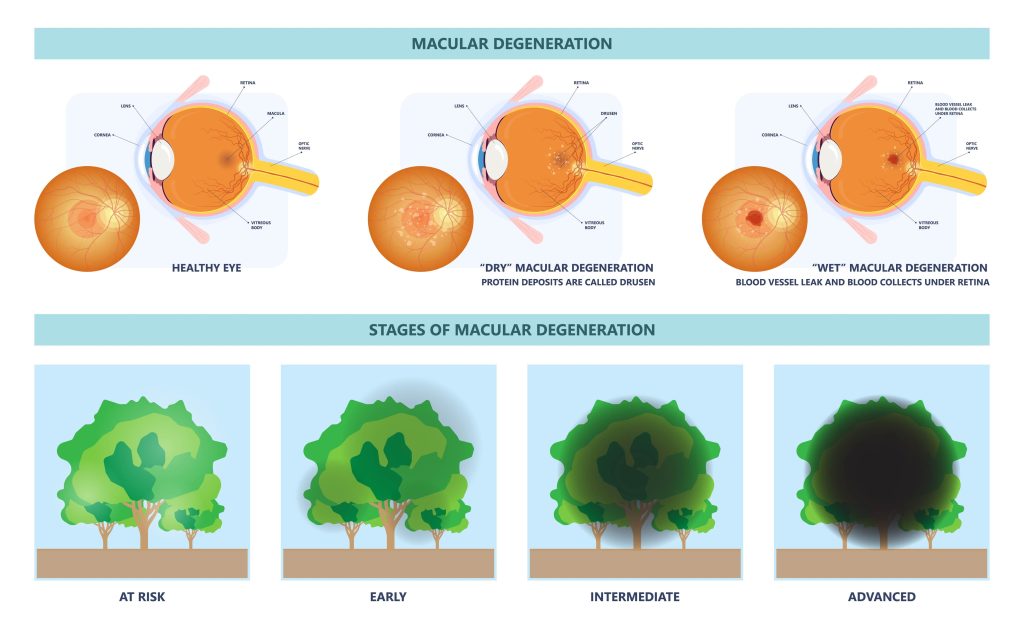
Dry AMD is the most common form, accounting for approximately 80–90% of cases. It occurs when the cells in the macula gradually become thinner and small deposits called drusen develop beneath the retina.
Symptoms may develop slowly and can include:
- Blurred central vision
- Difficulty reading small print
- Colours appearing less vivid
- Needing brighter light for close work
- Difficulty recognising faces
Wet Macular Degeneration
Wet AMD is less common but can progress more rapidly. It occurs when abnormal blood vessels develop beneath the retina and leak fluid or blood.
Symptoms can include:
- Sudden changes in central vision
- Distorted or wavy straight lines
- Dark or blind spots in the centre of vision
- Rapid deterioration of sight
Wet AMD requires urgent assessment, as early treatment can help preserve vision.
What Causes Macular Degeneration?
While the exact cause of AMD is not fully understood, several factors can increase the risk:
Age
The risk of AMD increases significantly after age 50.
Family History
Genetics can play a role, meaning individuals with a family history of AMD may have an increased risk.
Smoking
Smoking is one of the strongest lifestyle risk factors linked to macular degeneration.
Diet and Lifestyle
Poor diet, obesity and limited physical activity may increase the likelihood of developing AMD.
High Blood Pressure
Cardiovascular health can influence eye health and circulation to the retina.
Sun Exposure
Long-term exposure to UV light may contribute to retinal damage over time.
Signs and Symptoms to Look Out For
Macular degeneration often develops gradually, particularly in its early stages. You should arrange an eye examination if you notice:
- Blurred central vision
- Difficulty reading
- Straight lines appearing bent or distorted
- Needing brighter lighting
- Difficulty recognising faces
- Dark or empty patches in your vision
- Reduced colour perception
Many people may not initially notice symptoms because changes can begin in just one eye.
How is Macular Degeneration Diagnosed?
Regular eye examinations are important for detecting early signs of AMD, even before symptoms become noticeable.
During an eye examination, your optometrist may:
- Assess your visual acuity
- Examine the retina and macula
- Carry out retinal imaging
- Use an Amsler grid to identify distorted vision
- Dilate the pupils for a more detailed examination if required
Early detection can support better management and treatment options.

Book Your Eye Test Today
Can You Reduce Your Risk?
While macular degeneration cannot always be prevented, certain lifestyle choices may help reduce risk:
- Stop smoking
- Maintain a healthy weight
- Eat a balanced diet rich in leafy green vegetables and fish
- Exercise regularly
- Manage blood pressure and cholesterol
- Wear UV-protective sunglasses outdoors
- Attend routine eye examinations
Why Regular Eye Tests Matter
Many eye conditions, including macular degeneration, can develop without obvious symptoms in the early stages. Routine eye examinations can help identify changes before they begin affecting your daily life.
At PW Optics, our experienced team provides comprehensive eye examinations using modern technology to help monitor your eye health and vision.
If you have concerns about your eyesight or would like to arrange an eye examination, contact PW Optics to speak with our team.
Frequently Asked Questions About Macular Degeneration
What vision looks like with macular degeneration?
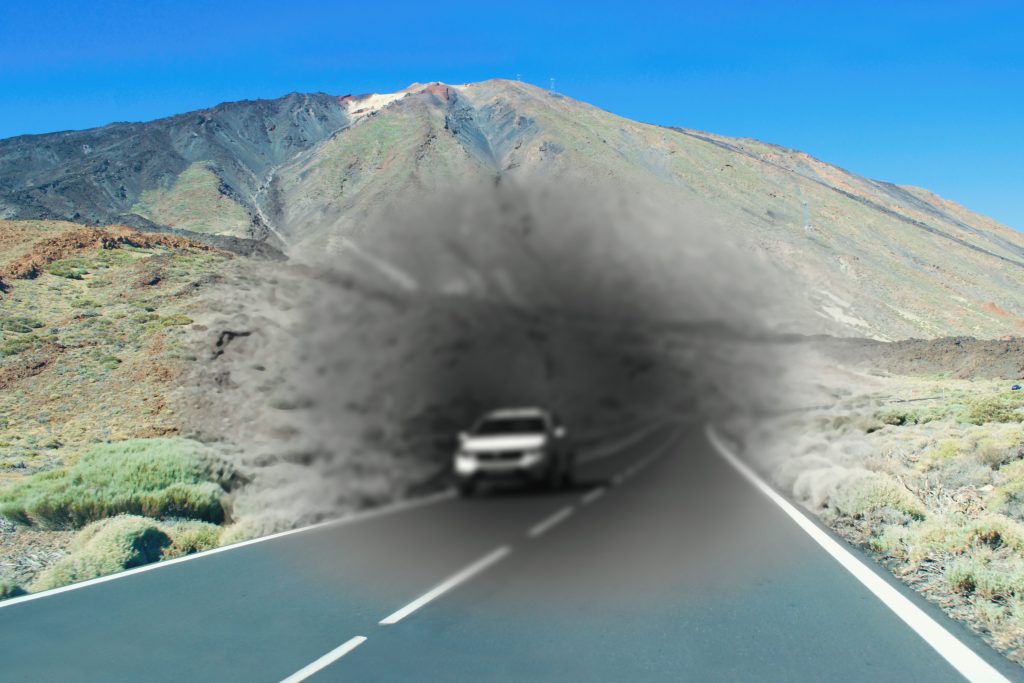
Macular degeneration mainly affects central vision, while side (peripheral) vision often remains unaffected. People with AMD may experience blurred or distorted vision, dark or blank patches in the centre of their sight, difficulty recognising faces, and challenges when reading or seeing fine details. Straight lines may also appear bent or wavy.
Is macular degeneration hereditary?
Genetics can play a role in the development of macular degeneration. Having a close family member with AMD may increase your risk, although this does not necessarily mean you will develop the condition. Lifestyle factors such as smoking, diet and overall health can also influence risk.
What are the early warning signs of macular degeneration?
Early signs of macular degeneration may include:
- Blurred central vision
- Difficulty reading small text
- Straight lines appearing distorted
- Colours appearing less vivid
- Needing brighter light for close tasks
- Difficulty recognising faces
Symptoms can develop gradually and may initially affect only one eye.
Can macular degeneration be reversed?
Currently, there is no cure that can fully reverse macular degeneration. However, early diagnosis and appropriate management can help slow progression and maintain vision for longer. Treatments for wet AMD and lifestyle changes for dry AMD may help reduce the impact of the condition.
What is dry macular degeneration?
Dry macular degeneration is the most common form of AMD. It develops gradually as the cells in the macula become thinner and small yellow deposits called drusen build up beneath the retina. Symptoms usually progress slowly over time.
What is wet macular degeneration?
Wet macular degeneration occurs when abnormal blood vessels develop beneath the retina and leak fluid or blood. Although it is less common than dry AMD, it often progresses more rapidly and requires prompt treatment.
What is the difference between wet and dry macular degeneration?
The main difference is how the condition develops:
Dry macular degeneration:
- More common
- Progresses gradually
- Caused by thinning of the macula and drusen deposits
Wet macular degeneration:
- Less common
- Can develop quickly
- Caused by leaking abnormal blood vessels beneath the retina
Both types affect central vision, but wet AMD often requires more urgent treatment.
Which is worse: wet or dry macular degeneration?
Wet macular degeneration is generally considered more serious than dry macular degeneration because it can develop quickly and may cause a more rapid loss of central vision if not treated promptly.
Dry macular degeneration:
- More common (around 80–90% of cases)
- Usually progresses gradually over several years
- Vision changes often develop slowly
- Can sometimes progress to wet AMD
Wet macular degeneration:
- Less common
- Can cause sudden changes in vision
- May lead to significant central vision loss in a shorter period
- Often requires ongoing treatment, such as eye injections
Although wet AMD is typically considered the more severe form due to its faster progression, both types should be monitored carefully. Regular eye examinations can help detect changes early and support timely treatment where needed.
How serious is wet macular degeneration?
Wet macular degeneration is considered the more serious form of AMD because it can cause a rapid decline in central vision if left untreated. Early diagnosis and treatment are important for preserving sight and slowing progression.
What happens if you stop eye injections for macular degeneration?
For people receiving treatment for wet macular degeneration, injections help control the growth of abnormal blood vessels beneath the retina. Stopping treatment without medical guidance could allow the condition to progress, potentially leading to further vision deterioration. Treatment plans should always be discussed with your eye specialist.
How common is macular degeneration?
Macular degeneration is one of the most common causes of sight loss in older adults. It primarily affects people over the age of 50, with risk increasing as people get older.
Is macular degeneration a disability?
Macular degeneration itself is not automatically classified as a disability, but the impact it has on vision may qualify some individuals for support or disability-related benefits depending on the severity of sight loss and local guidelines. The degree of visual impairment varies significantly between individuals.
What is Macular Degeneration?
Macular degeneration, often referred to as Age-Related Macular Degeneration (AMD), is a common eye condition that affects the macula, the central part of the retina responsible for detailed vision. The macula allows you to read, recognise faces, drive and see fine detail clearly.
AMD typically develops gradually and is more common in people over the age of 50, although it can occasionally affect younger individuals. While macular degeneration does not usually cause complete blindness, it can significantly affect central vision and everyday activities.
At PW Optics, we believe that understanding the signs and symptoms of AMD can help with early detection and management.
Types of Macular Degeneration
There are two main types of AMD:
Dry Macular Degeneration
Dry AMD is the most common form, accounting for approximately 80–90% of cases. It occurs when the cells in the macula gradually become thinner and small deposits called drusen develop beneath the retina.
Symptoms may develop slowly and can include:
- Blurred central vision
- Difficulty reading small print
- Colours appearing less vivid
- Needing brighter light for close work
- Difficulty recognising faces
Wet Macular Degeneration
Wet AMD is less common but can progress more rapidly. It occurs when abnormal blood vessels develop beneath the retina and leak fluid or blood.
Symptoms can include:
- Sudden changes in central vision
- Distorted or wavy straight lines
- Dark or blind spots in the centre of vision
- Rapid deterioration of sight
Wet AMD requires urgent assessment, as early treatment can help preserve vision.
What Causes Macular Degeneration?
While the exact cause of AMD is not fully understood, several factors can increase the risk:
Age
The risk of AMD increases significantly after age 50.
Family History
Genetics can play a role, meaning individuals with a family history of AMD may have an increased risk.
Smoking
Smoking is one of the strongest lifestyle risk factors linked to macular degeneration.
Diet and Lifestyle
Poor diet, obesity and limited physical activity may increase the likelihood of developing AMD.
High Blood Pressure
Cardiovascular health can influence eye health and circulation to the retina.
Sun Exposure
Long-term exposure to UV light may contribute to retinal damage over time.
Signs and Symptoms to Look Out For
Macular degeneration often develops gradually, particularly in its early stages. You should arrange an eye examination if you notice:
- Blurred central vision
- Difficulty reading
- Straight lines appearing bent or distorted
- Needing brighter lighting
- Difficulty recognising faces
- Dark or empty patches in your vision
- Reduced colour perception
Many people may not initially notice symptoms because changes can begin in just one eye.
How is Macular Degeneration Diagnosed?
Regular eye examinations are important for detecting early signs of AMD, even before symptoms become noticeable.
During an eye examination, your optometrist may:
- Assess your visual acuity
- Examine the retina and macula
- Carry out retinal imaging
- Use an Amsler grid to identify distorted vision
- Dilate the pupils for a more detailed examination if required
Early detection can support better management and treatment options.
Treatment Options
Treatment depends on the type and stage of macular degeneration.
Dry AMD Management
Although there is currently no cure for dry AMD, management may include:
- Regular monitoring
- Healthy lifestyle changes
- Stopping smoking
- Nutritional support and dietary advice
- Eye health supplements where appropriate
Wet AMD Treatment
Wet AMD treatments may include:
- Anti-VEGF injections to reduce abnormal blood vessel growth
- Ongoing monitoring with specialist care
- Vision support services
Book Your Eye Test Today
Can You Reduce Your Risk?
While macular degeneration cannot always be prevented, certain lifestyle choices may help reduce risk:
- Stop smoking
- Maintain a healthy weight
- Eat a balanced diet rich in leafy green vegetables and fish
- Exercise regularly
- Manage blood pressure and cholesterol
- Wear UV-protective sunglasses outdoors
- Attend routine eye examinations
Why Regular Eye Tests Matter
Many eye conditions, including macular degeneration, can develop without obvious symptoms in the early stages. Routine eye examinations can help identify changes before they begin affecting your daily life.
At PW Optics, our experienced team provides comprehensive eye examinations using modern technology to help monitor your eye health and vision.
If you have concerns about your eyesight or would like to arrange an eye examination, contact PW Optics to speak with our team.
Frequently Asked Questions About Macular Degeneration
What vision looks like with macular degeneration?
Macular degeneration mainly affects central vision, while side (peripheral) vision often remains unaffected. People with AMD may experience blurred or distorted vision, dark or blank patches in the centre of their sight, difficulty recognising faces, and challenges when reading or seeing fine details. Straight lines may also appear bent or wavy.
Is macular degeneration hereditary?
Genetics can play a role in the development of macular degeneration. Having a close family member with AMD may increase your risk, although this does not necessarily mean you will develop the condition. Lifestyle factors such as smoking, diet and overall health can also influence risk.
What are the early warning signs of macular degeneration?
Early signs of macular degeneration may include:
- Blurred central vision
- Difficulty reading small text
- Straight lines appearing distorted
- Colours appearing less vivid
- Needing brighter light for close tasks
- Difficulty recognising faces
Symptoms can develop gradually and may initially affect only one eye.
Can macular degeneration be reversed?
Currently, there is no cure that can fully reverse macular degeneration. However, early diagnosis and appropriate management can help slow progression and maintain vision for longer. Treatments for wet AMD and lifestyle changes for dry AMD may help reduce the impact of the condition.
What is dry macular degeneration?
Dry macular degeneration is the most common form of AMD. It develops gradually as the cells in the macula become thinner and small yellow deposits called drusen build up beneath the retina. Symptoms usually progress slowly over time.
What is wet macular degeneration?
Wet macular degeneration occurs when abnormal blood vessels develop beneath the retina and leak fluid or blood. Although it is less common than dry AMD, it often progresses more rapidly and requires prompt treatment.
What is the difference between wet and dry macular degeneration?
The main difference is how the condition develops:
Dry macular degeneration:
- More common
- Progresses gradually
- Caused by thinning of the macula and drusen deposits
Wet macular degeneration:
- Less common
- Can develop quickly
- Caused by leaking abnormal blood vessels beneath the retina
Both types affect central vision, but wet AMD often requires more urgent treatment.
Which is worse: wet or dry macular degeneration?
Wet macular degeneration is generally considered more serious than dry macular degeneration because it can develop quickly and may cause a more rapid loss of central vision if not treated promptly.
Dry macular degeneration:
- More common (around 80–90% of cases)
- Usually progresses gradually over several years
- Vision changes often develop slowly
- Can sometimes progress to wet AMD
Wet macular degeneration:
- Less common
- Can cause sudden changes in vision
- May lead to significant central vision loss in a shorter period
- Often requires ongoing treatment, such as eye injections
Although wet AMD is typically considered the more severe form due to its faster progression, both types should be monitored carefully. Regular eye examinations can help detect changes early and support timely treatment where needed.
How serious is wet macular degeneration?
Wet macular degeneration is considered the more serious form of AMD because it can cause a rapid decline in central vision if left untreated. Early diagnosis and treatment are important for preserving sight and slowing progression.
What happens if you stop eye injections for macular degeneration?
For people receiving treatment for wet macular degeneration, injections help control the growth of abnormal blood vessels beneath the retina. Stopping treatment without medical guidance could allow the condition to progress, potentially leading to further vision deterioration. Treatment plans should always be discussed with your eye specialist.
How common is macular degeneration?
Macular degeneration is one of the most common causes of sight loss in older adults. It primarily affects people over the age of 50, with risk increasing as people get older.
Is macular degeneration a disability?
Macular degeneration itself is not automatically classified as a disability, but the impact it has on vision may qualify some individuals for support or disability-related benefits depending on the severity of sight loss and local guidelines. The degree of visual impairment varies significantly between individuals.