
What Can Opticians See Behind the Eye?
When you visit your optician for a routine eye test, you may wonder why they spend time looking into the back of your eyes. While checking your vision is an important part of the appointment, examining the back of the eye allows your optician to assess your eye health and, in some cases, identify signs of wider health conditions.
So, what can opticians see behind the eye? The answer is a surprising amount. The back of the eye contains structures that can reveal early signs of eye diseases, circulatory problems and even conditions such as diabetes and high blood pressure.
At PW Optics, every comprehensive eye examination includes a thorough assessment of your eye health, helping to identify potential issues before they begin affecting your vision.
What Is the Back of the Eye?
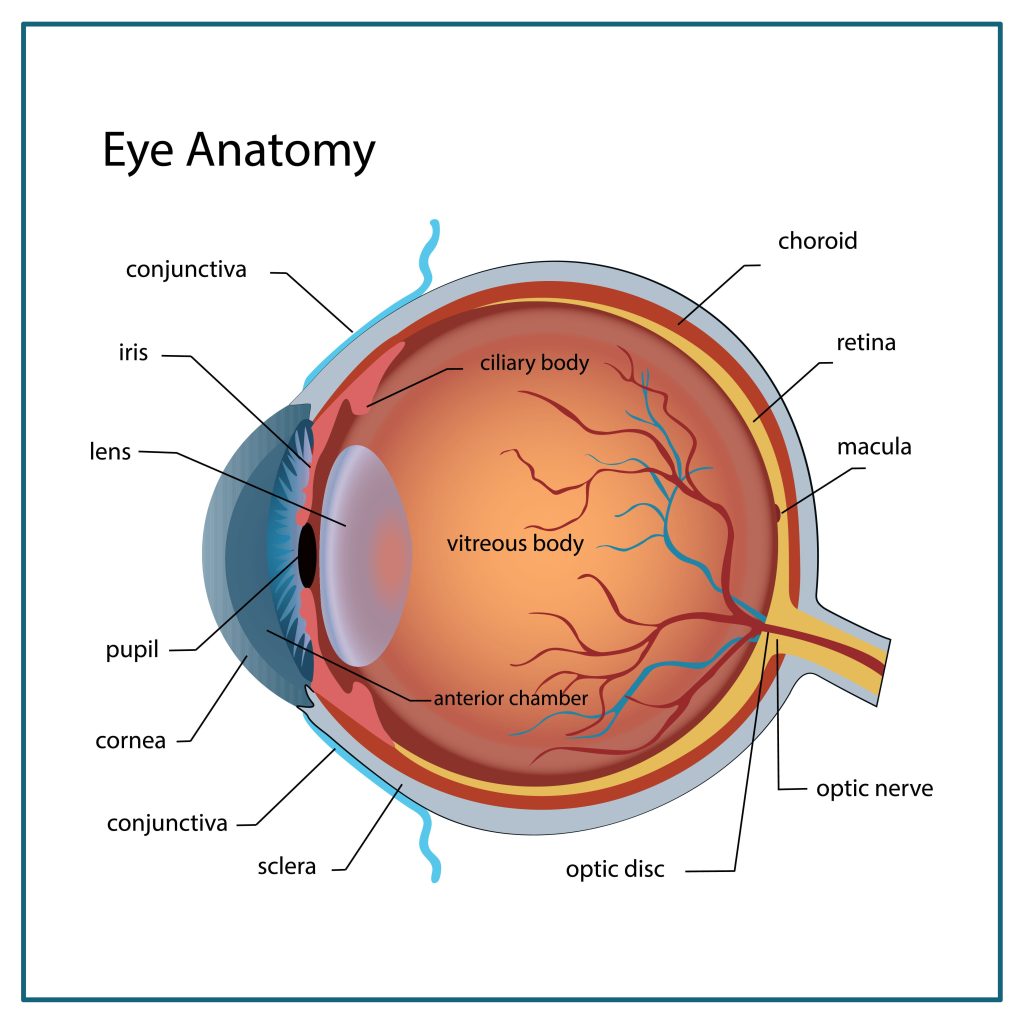
The back of your eye, known as the retina, is a thin layer of light-sensitive tissue responsible for converting light into signals that are sent to your brain. It contains several important structures, including:
- The retina
- The optic nerve
- The macula
- Blood vessels
- The optic disc
By examining these areas, an optician can assess both the health of your eyes and detect signs that may require further investigation.
How Do Opticians Examine the Back of the Eye?
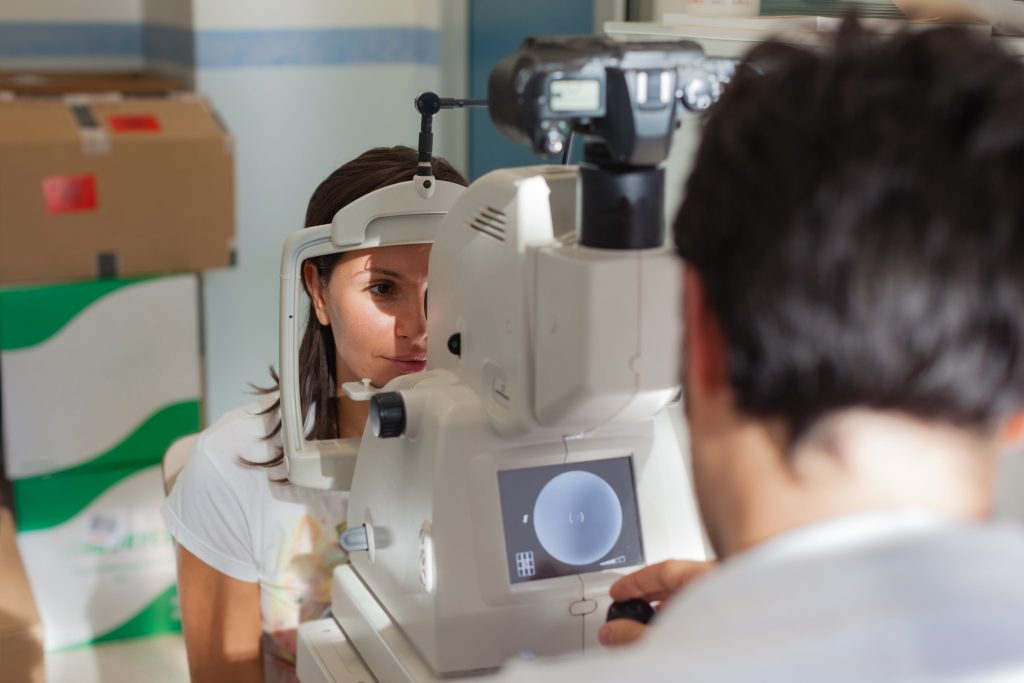
Modern opticians use advanced technology to gain a clear view of the retina and surrounding structures. Depending on your eye examination, this may include:
Retinal Photography
High-resolution digital photographs capture detailed images of the retina, allowing your optician to monitor changes over time and compare previous examinations.
Ophthalmoscopy
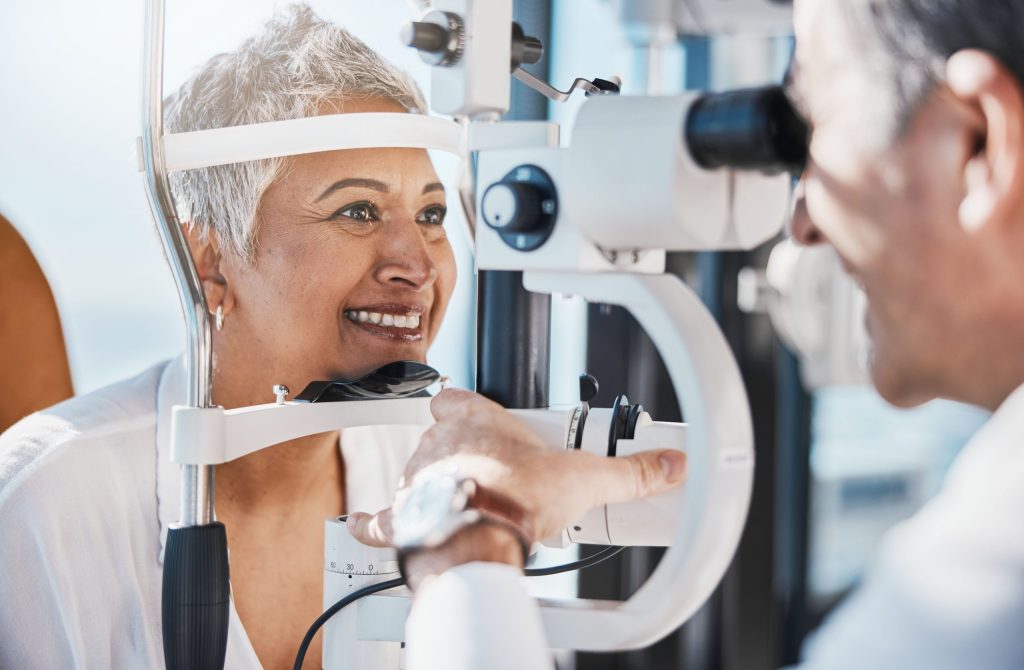
Using a specialised light and magnifying instrument, your optician can directly examine the retina, optic nerve and blood vessels.
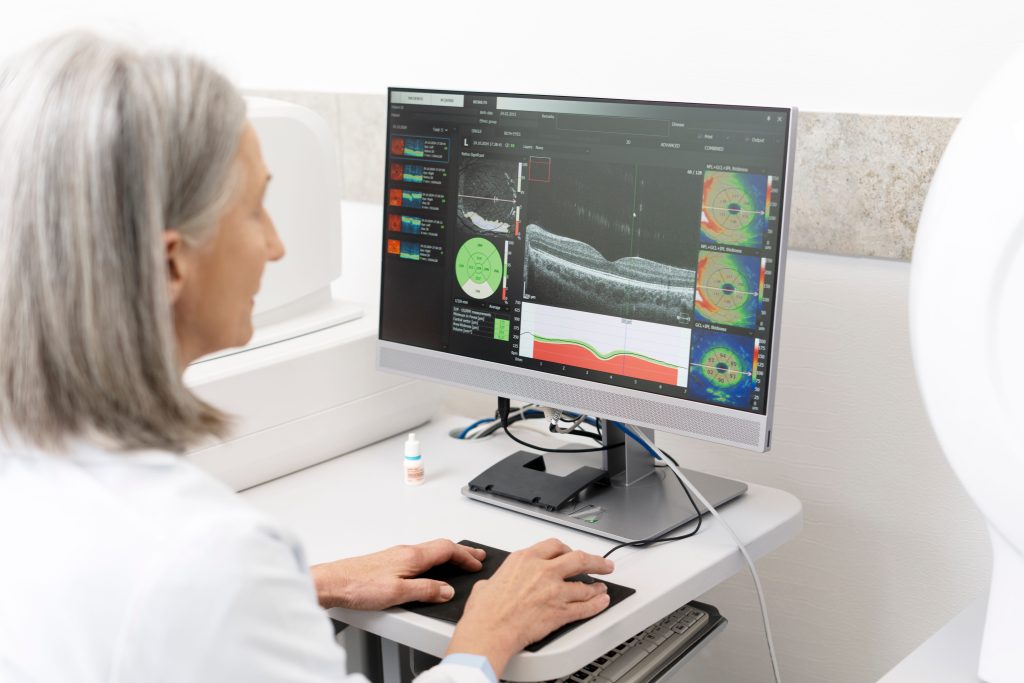
OCT (Optical Coherence Tomography)
Where available, OCT scans create detailed cross-sectional images of the retina, allowing opticians to detect subtle changes that may not be visible during a standard examination.

What Can Opticians Detect Behind the Eye?
Examining the back of the eye can help identify a wide range of eye conditions, often before symptoms develop.
Glaucoma
One of the first areas your optician checks is the optic nerve. Damage to this nerve can indicate glaucoma, a condition that gradually damages vision if left untreated.
Early detection is vital because glaucoma often develops without noticeable symptoms.

Age-Related Macular Degeneration (AMD)
The macula is responsible for sharp central vision used for reading, driving and recognising faces.
Changes in this area may indicate age-related macular degeneration, which is one of the leading causes of vision loss in older adults.
Routine eye examinations can help detect AMD before significant vision changes occur.

Diabetic Retinopathy
Diabetes can affect the tiny blood vessels in the retina.
Your optician may spot:
- Small retinal bleeds
- Leaking blood vessels
- Swelling
- Abnormal blood vessel growth
These can all be early signs of diabetic retinopathy, which often develops before a patient notices any symptoms.

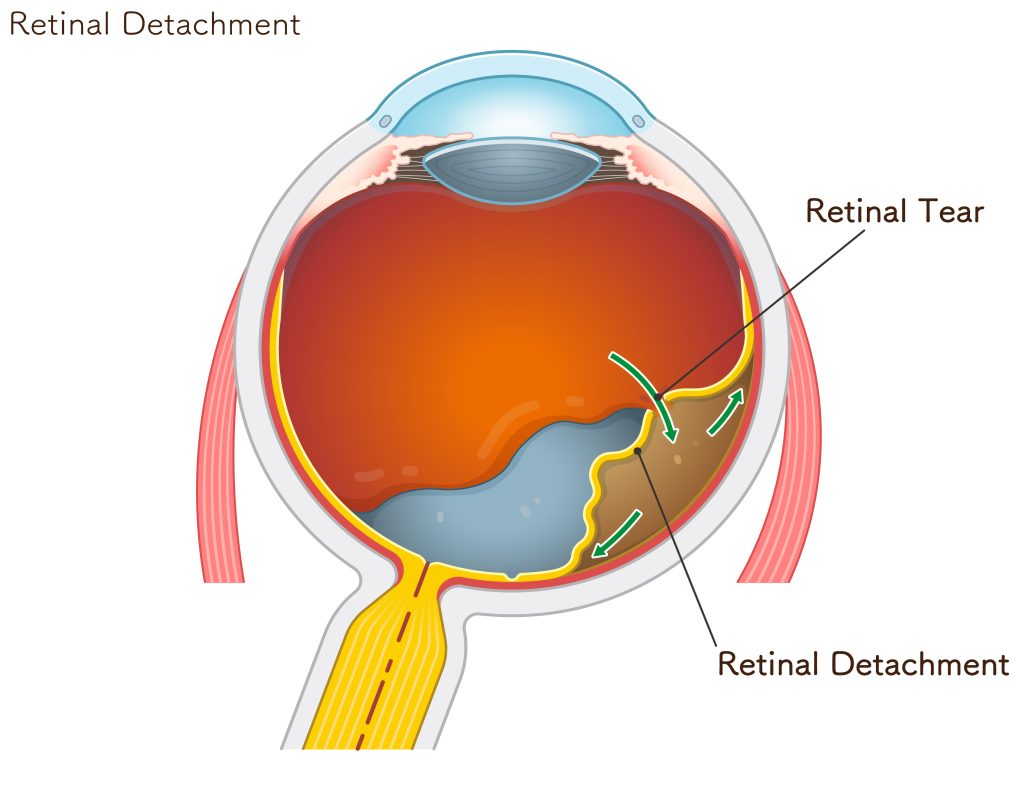
Retinal Tears or Detachment
The retina should remain firmly attached to the back of the eye.
Your optician can sometimes identify:
- Retinal tears
- Holes in the retina
- Early retinal detachment
Prompt treatment is essential to reduce the risk of permanent vision loss.
Cataracts
Although cataracts form in the lens at the front of the eye rather than behind it, your optician can identify cataracts during a routine examination and monitor their progression over time.

Can an Eye Test Detect Other Health Conditions?
Yes. The eyes are the only place in the body where blood vessels can be viewed directly without surgery, making them an important indicator of overall health.
Your optician may identify signs associated with:
High Blood Pressure
Changes to the retinal blood vessels can suggest hypertension.
These changes may include narrowing, bleeding or swelling.
Diabetes
Even before diabetes has been diagnosed, changes to the blood vessels may raise concerns that warrant further medical investigation.
High Cholesterol
Yellowish deposits or changes within the retinal blood vessels can sometimes indicate elevated cholesterol levels.
Rare Neurological Conditions
Swelling of the optic nerve or unusual retinal changes may occasionally suggest neurological conditions that require urgent medical assessment.
While opticians cannot diagnose every medical condition, they can recognise abnormal findings and refer patients to their GP or hospital eye service where necessary.
Book Your Eye Test Today
Will the Examination Hurt?
No.
Looking at the back of your eye is completely painless.
Some patients may have eye drops placed in their eyes to widen the pupils, allowing for a clearer view of the retina. These drops can temporarily cause:
- Blurred near vision
- Sensitivity to bright light
These effects usually wear off within a few hours.
Why Regular Eye Examinations Are So Important
Many serious eye conditions develop gradually and without noticeable symptoms.
By the time changes to your vision become obvious, some damage may already be permanent.
Regular eye examinations allow opticians to:
- Detect eye diseases early
- Monitor changes over time
- Update your prescription
- Assess your overall eye health
- Refer you promptly if further investigation is required
For most adults, an eye examination every two years is recommended, although your optician may advise more frequent appointments depending on your age, family history or medical conditions.
Book Your Eye Examination at PW Optics
A routine eye examination is about much more than checking whether you need new glasses. It provides a valuable opportunity to assess the health of your eyes and detect potential problems at an early stage.
At PW Optics, our experienced team uses modern diagnostic equipment to provide comprehensive eye examinations tailored to your individual needs. Whether you’re due for a routine check-up or have noticed changes in your vision, we’re here to help protect your eyesight for years to come.
Contact PW Optics today to book your next eye examination and keep your eyes healthy.
Frequently Asked Questions
Can opticians see diseases behind the eye?
Yes. Opticians can identify signs of conditions such as glaucoma, age-related macular degeneration, diabetic retinopathy and retinal tears during a comprehensive eye examination.
Can an optician detect diabetes through an eye test?
An optician cannot diagnose diabetes, but they may spot changes in the retinal blood vessels that suggest diabetes or diabetic retinopathy, prompting a referral for further medical assessment.
Is looking behind the eye painful?
No. Examining the back of the eye is painless. If pupil-dilating drops are used, you may experience temporary blurred vision and light sensitivity for a few hours.
How often should I have my eyes checked?
Most adults should have an eye examination every two years. However, more frequent appointments may be recommended if you have diabetes, glaucoma, a family history of eye disease or other risk factors.
Can an eye test detect brain problems?
In some cases, swelling of the optic nerve or other unusual findings may indicate an underlying neurological condition. If your optician notices anything concerning, they will refer you for further medical investigation.
When you visit your optician for a routine eye test, you may wonder why they spend time looking into the back of your eyes. While checking your vision is an important part of the appointment, examining the back of the eye allows your optician to assess your eye health and, in some cases, identify signs of wider health conditions.
So, what can opticians see behind the eye? The answer is a surprising amount. The back of the eye contains structures that can reveal early signs of eye diseases, circulatory problems and even conditions such as diabetes and high blood pressure.
At PW Optics, every comprehensive eye examination includes a thorough assessment of your eye health, helping to identify potential issues before they begin affecting your vision.
What Is the Back of the Eye?
The back of your eye, known as the retina, is a thin layer of light-sensitive tissue responsible for converting light into signals that are sent to your brain. It contains several important structures, including:
- The retina
- The optic nerve
- The macula
- Blood vessels
- The optic disc
By examining these areas, an optician can assess both the health of your eyes and detect signs that may require further investigation.
How Do Opticians Examine the Back of the Eye?
Modern opticians use advanced technology to gain a clear view of the retina and surrounding structures. Depending on your eye examination, this may include:
Retinal Photography
High-resolution digital photographs capture detailed images of the retina, allowing your optician to monitor changes over time and compare previous examinations.
Ophthalmoscopy
Using a specialised light and magnifying instrument, your optician can directly examine the retina, optic nerve and blood vessels.
OCT (Optical Coherence Tomography)
Where available, OCT scans create detailed cross-sectional images of the retina, allowing opticians to detect subtle changes that may not be visible during a standard examination.
What Can Opticians Detect Behind the Eye?
Examining the back of the eye can help identify a wide range of eye conditions, often before symptoms develop.
Glaucoma
One of the first areas your optician checks is the optic nerve. Damage to this nerve can indicate glaucoma, a condition that gradually damages vision if left untreated.
Early detection is vital because glaucoma often develops without noticeable symptoms.
Age-Related Macular Degeneration (AMD)
The macula is responsible for sharp central vision used for reading, driving and recognising faces.
Changes in this area may indicate age-related macular degeneration, which is one of the leading causes of vision loss in older adults.
Routine eye examinations can help detect AMD before significant vision changes occur.
Diabetic Retinopathy
Diabetes can affect the tiny blood vessels in the retina.
Your optician may spot:
- Small retinal bleeds
- Leaking blood vessels
- Swelling
- Abnormal blood vessel growth
These can all be early signs of diabetic retinopathy, which often develops before a patient notices any symptoms.
Retinal Tears or Detachment
The retina should remain firmly attached to the back of the eye.
Your optician can sometimes identify:
- Retinal tears
- Holes in the retina
- Early retinal detachment
Prompt treatment is essential to reduce the risk of permanent vision loss.
Cataracts
Although cataracts form in the lens at the front of the eye rather than behind it, your optician can identify cataracts during a routine examination and monitor their progression over time.
Can an Eye Test Detect Other Health Conditions?
Yes. The eyes are the only place in the body where blood vessels can be viewed directly without surgery, making them an important indicator of overall health.
Your optician may identify signs associated with:
High Blood Pressure
Changes to the retinal blood vessels can suggest hypertension.
These changes may include narrowing, bleeding or swelling.
Diabetes
Even before diabetes has been diagnosed, changes to the blood vessels may raise concerns that warrant further medical investigation.
High Cholesterol
Yellowish deposits or changes within the retinal blood vessels can sometimes indicate elevated cholesterol levels.
Rare Neurological Conditions
Swelling of the optic nerve or unusual retinal changes may occasionally suggest neurological conditions that require urgent medical assessment.
While opticians cannot diagnose every medical condition, they can recognise abnormal findings and refer patients to their GP or hospital eye service where necessary.
Book Your Eye Test Today
Will the Examination Hurt?
No.
Looking at the back of your eye is completely painless.
Some patients may have eye drops placed in their eyes to widen the pupils, allowing for a clearer view of the retina. These drops can temporarily cause:
- Blurred near vision
- Sensitivity to bright light
These effects usually wear off within a few hours.
Why Regular Eye Examinations Are So Important
Many serious eye conditions develop gradually and without noticeable symptoms.
By the time changes to your vision become obvious, some damage may already be permanent.
Regular eye examinations allow opticians to:
- Detect eye diseases early
- Monitor changes over time
- Update your prescription
- Assess your overall eye health
- Refer you promptly if further investigation is required
For most adults, an eye examination every two years is recommended, although your optician may advise more frequent appointments depending on your age, family history or medical conditions.
Book Your Eye Examination at PW Optics
A routine eye examination is about much more than checking whether you need new glasses. It provides a valuable opportunity to assess the health of your eyes and detect potential problems at an early stage.
At PW Optics, our experienced team uses modern diagnostic equipment to provide comprehensive eye examinations tailored to your individual needs. Whether you’re due for a routine check-up or have noticed changes in your vision, we’re here to help protect your eyesight for years to come.
Contact PW Optics today to book your next eye examination and keep your eyes healthy.
Frequently Asked Questions
Can opticians see diseases behind the eye?
Yes. Opticians can identify signs of conditions such as glaucoma, age-related macular degeneration, diabetic retinopathy and retinal tears during a comprehensive eye examination.
Can an optician detect diabetes through an eye test?
An optician cannot diagnose diabetes, but they may spot changes in the retinal blood vessels that suggest diabetes or diabetic retinopathy, prompting a referral for further medical assessment.
Is looking behind the eye painful?
No. Examining the back of the eye is painless. If pupil-dilating drops are used, you may experience temporary blurred vision and light sensitivity for a few hours.
How often should I have my eyes checked?
Most adults should have an eye examination every two years. However, more frequent appointments may be recommended if you have diabetes, glaucoma, a family history of eye disease or other risk factors.
Can an eye test detect brain problems?
In some cases, swelling of the optic nerve or other unusual findings may indicate an underlying neurological condition. If your optician notices anything concerning, they will refer you for further medical investigation.