
Myopia (Short-Sightedness)
Eyecare
What Is Myopia?
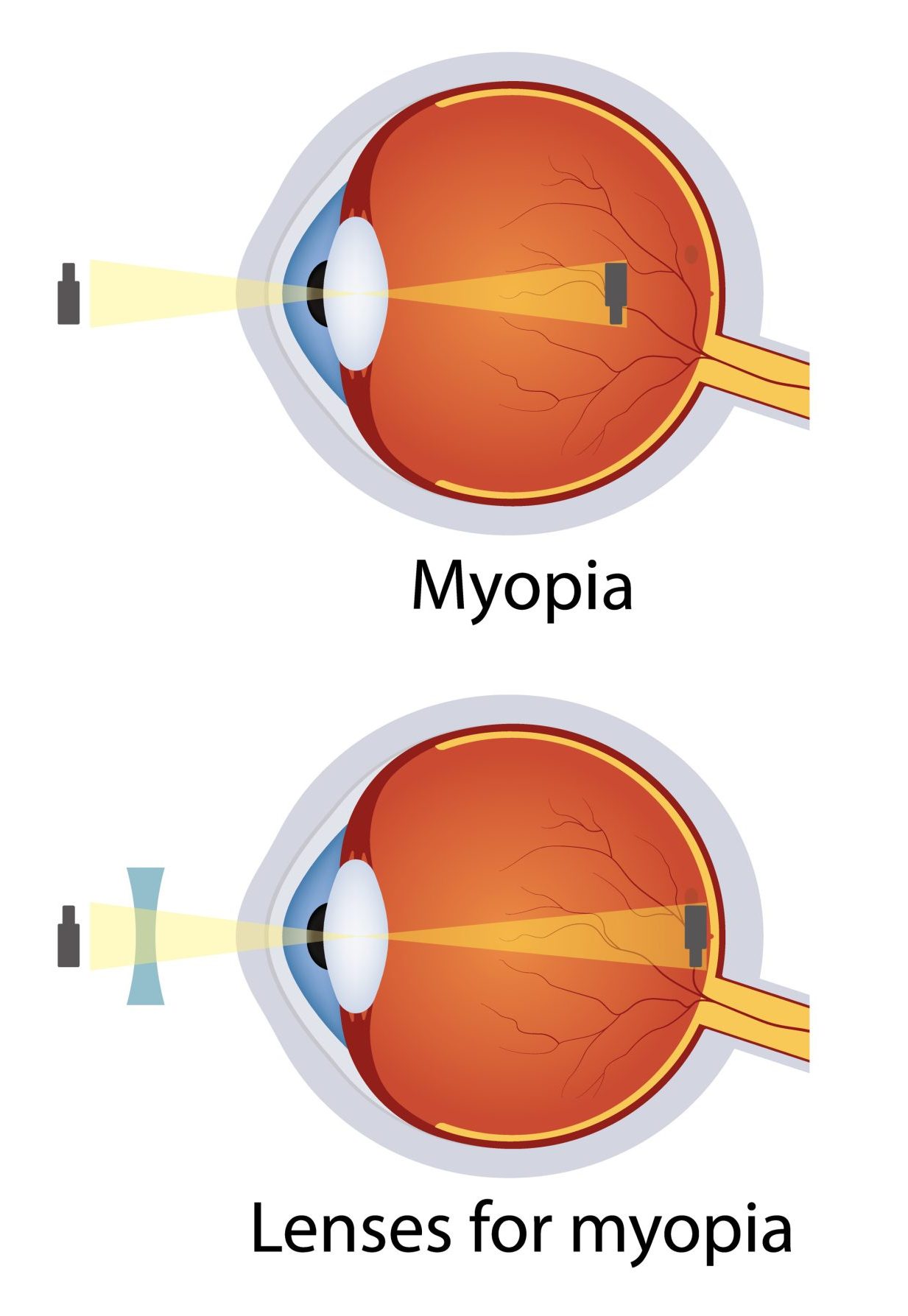
Myopia, commonly known as short-sightedness, is a common vision condition that causes distant objects to appear blurred while nearby objects remain clear. It occurs when the eye grows too long or the cornea is too curved, causing light entering the eye to focus in front of the retina instead of directly on it.
Myopia can affect people of all ages and is becoming increasingly common, particularly among children and young adults. Early diagnosis and effective myopia management can help maintain clear vision and reduce the risk of future eye health complications.
Book an Eye Test for Myopia Today
Symptoms of Myopia
Myopia often develops during childhood, typically between the ages of 6 and 13, although it can also occur in adults.
Common symptoms of short-sightedness include:
- Blurred vision when looking at distant objects
- Difficulty reading road signs, classroom boards, or television screens
- Squinting to see objects more clearly
- Frequent headaches
- Eye strain or tired eyes, particularly after reading or using digital devices
- Difficulty seeing while driving, especially at night
If you or your child experience any of these symptoms, an eye examination can determine whether myopia is affecting your vision.
Eyecare
What Causes Myopia?
Several factors can contribute to the development of myopia, including genetics and lifestyle habits.
Family History
Children with one or both parents who are short-sighted are more likely to develop myopia themselves.
Extended Near Work
Spending long periods reading, studying, or using computers, tablets, and smartphones may increase the likelihood of myopia progression.
Limited Time Outdoors
Research suggests that children who spend less time outdoors may have a higher risk of developing myopia than those who regularly experience natural daylight.
Myopia Management and Treatment
At PW Optics, we offer a range of myopia treatment options designed to improve vision and help manage the progression of short-sightedness.
Prescription Glasses and Contact Lenses
Corrective lenses are the most common treatment for myopia. Prescription glasses and contact lenses help focus light correctly onto the retina, providing clearer distance vision and reducing eye strain.
We offer a wide selection of frames, lenses, and contact lens options tailored to your prescription and lifestyle.
Myopia Control Lenses
Specially designed myopia control lenses can help slow the progression of short-sightedness in children and young adults. These advanced lenses are becoming an increasingly effective option for managing childhood myopia.
Healthy Visual Habits
Simple lifestyle adjustments can help support healthy vision and reduce eye strain:
- Follow the 20-20-20 rule: every 20 minutes, look at something 20 feet away for 20 seconds
- Spend more time outdoors in natural daylight
- Maintain good posture when reading or using screens
- Ensure adequate lighting when studying or working
- Take regular breaks during prolonged close-up tasks
Why Early Myopia Management Matters
Progressive myopia can increase the risk of developing certain eye conditions later in life, including:
Regular eye tests allow your optometrist to monitor changes in your vision and recommend appropriate treatment options to help reduce these risks.